About NewsVision

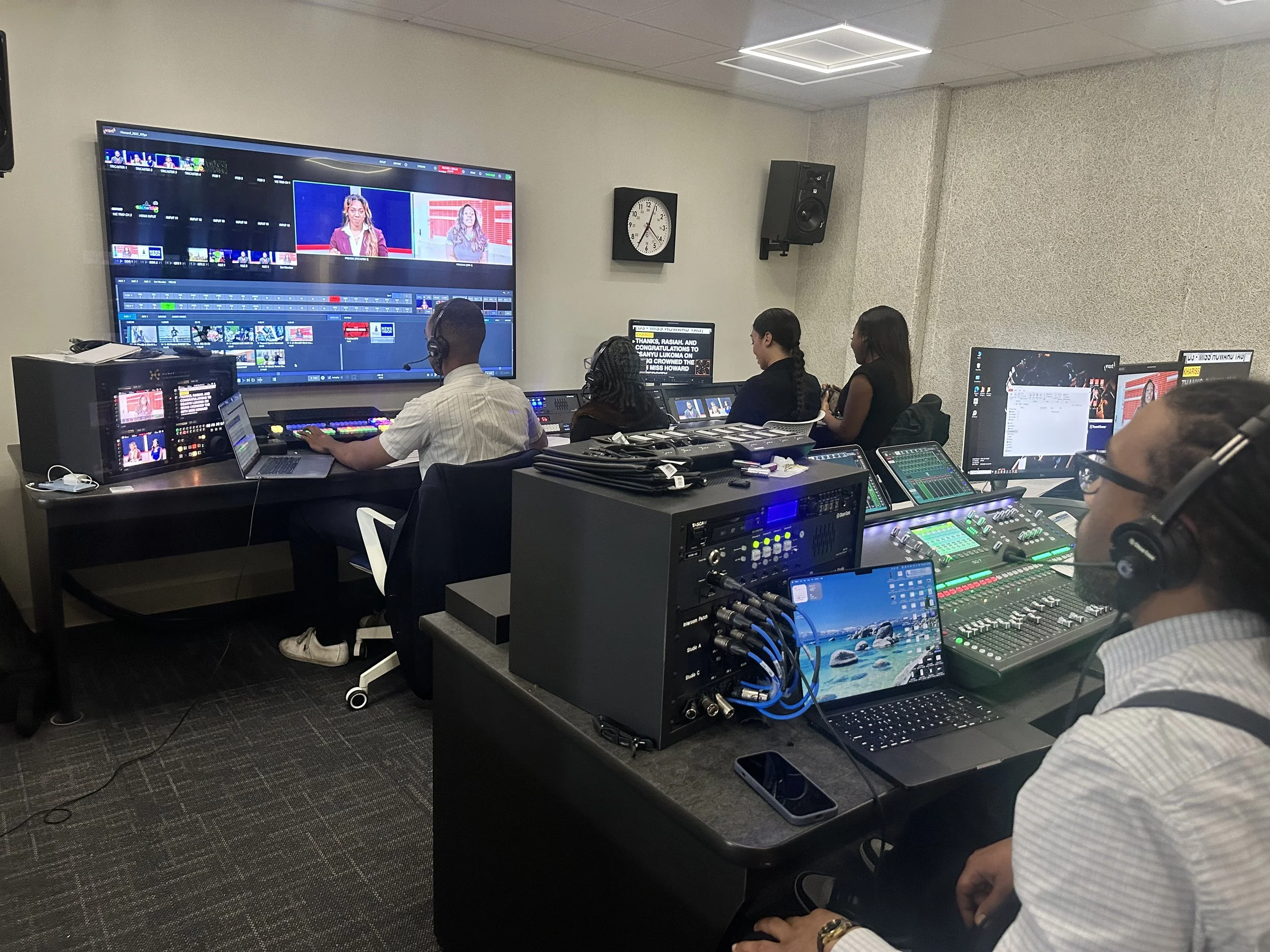
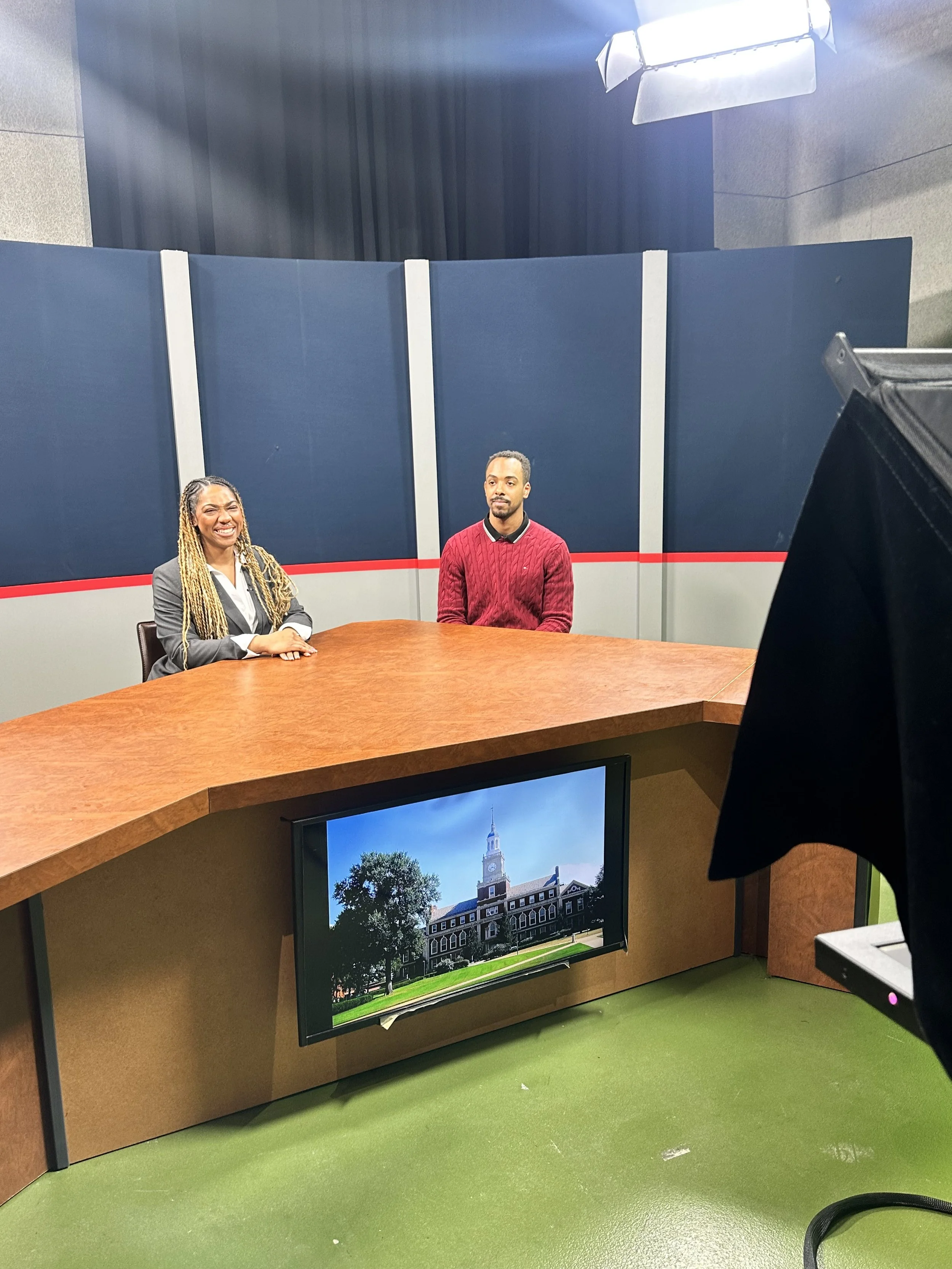
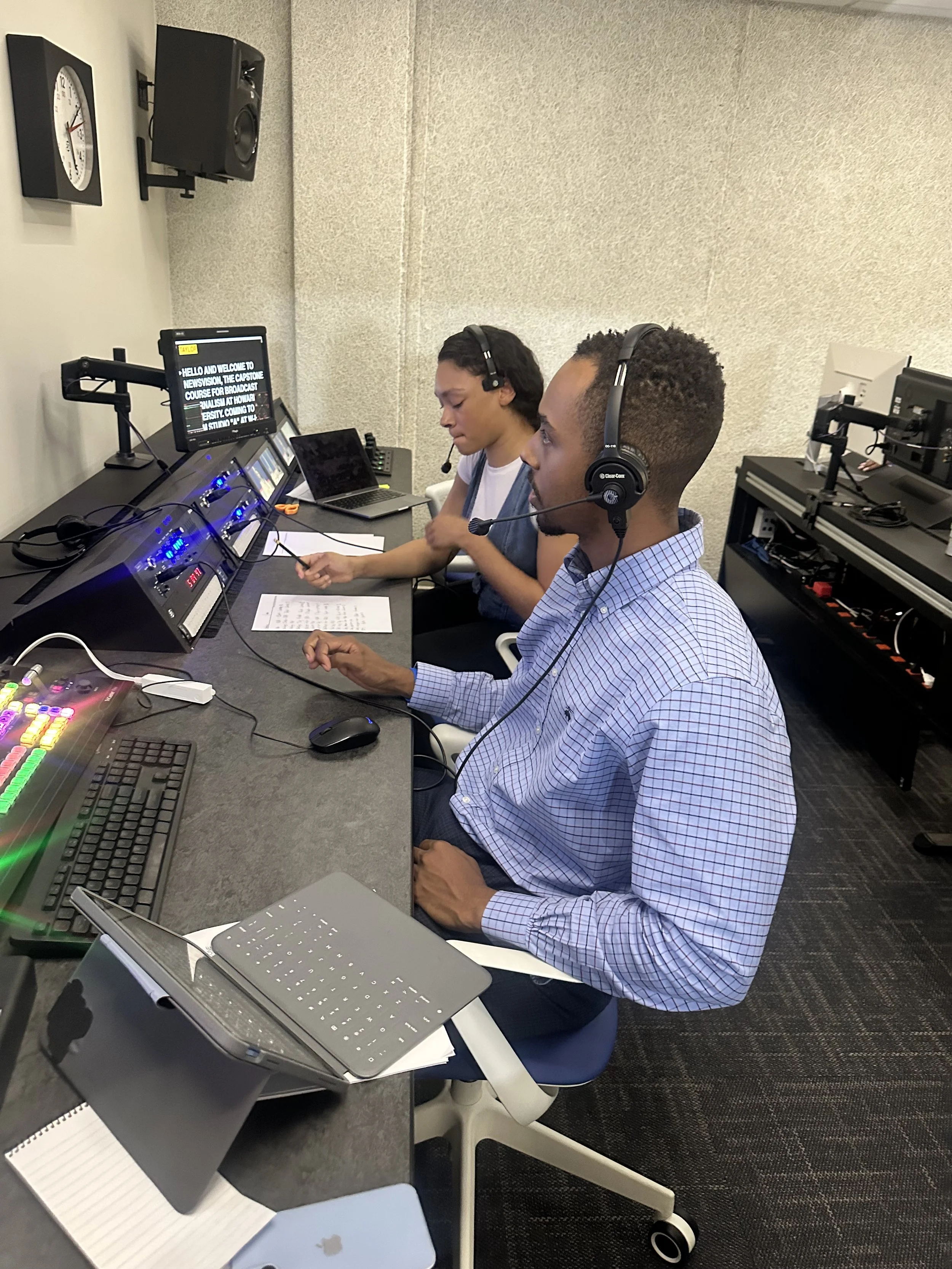
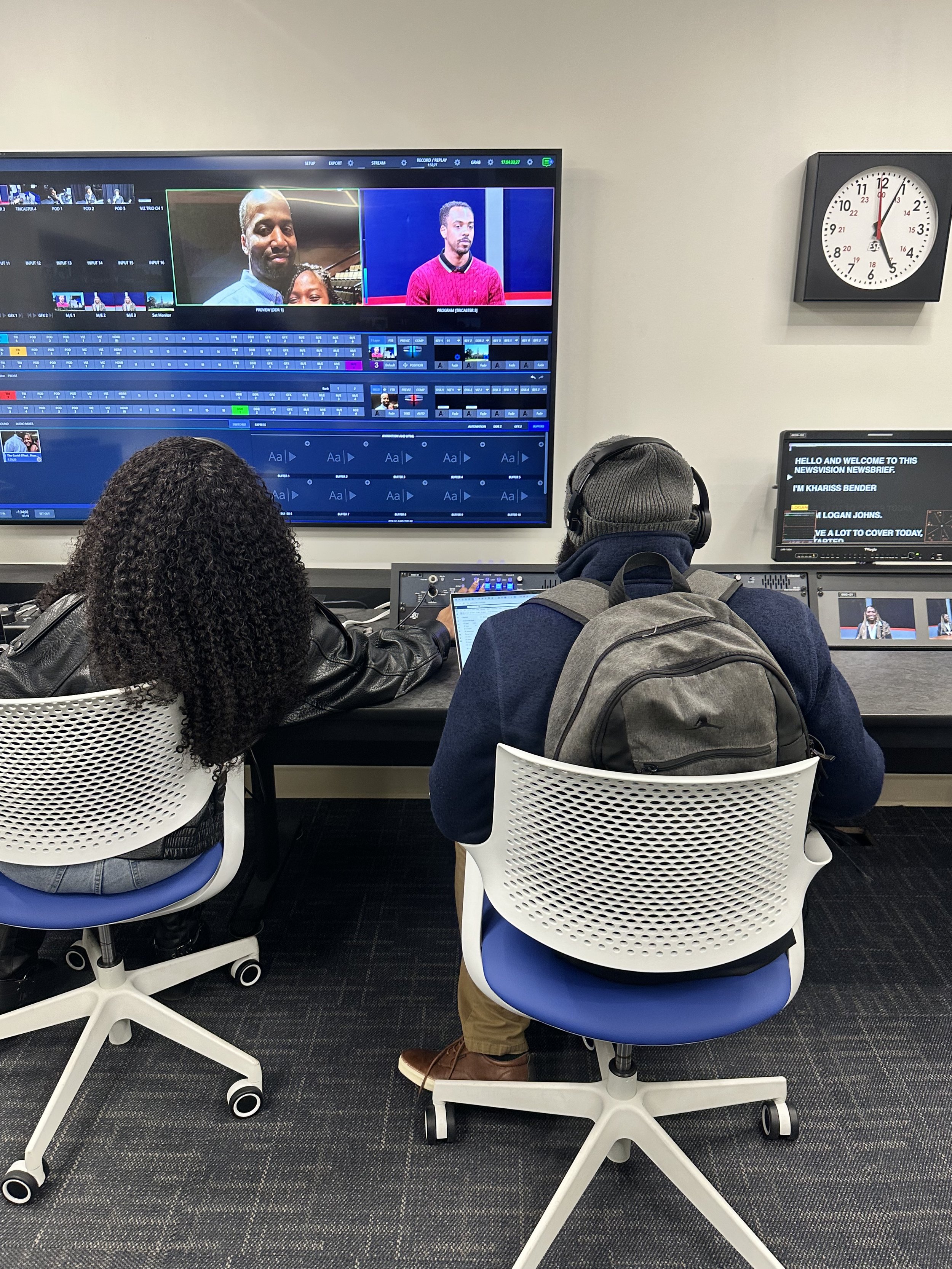
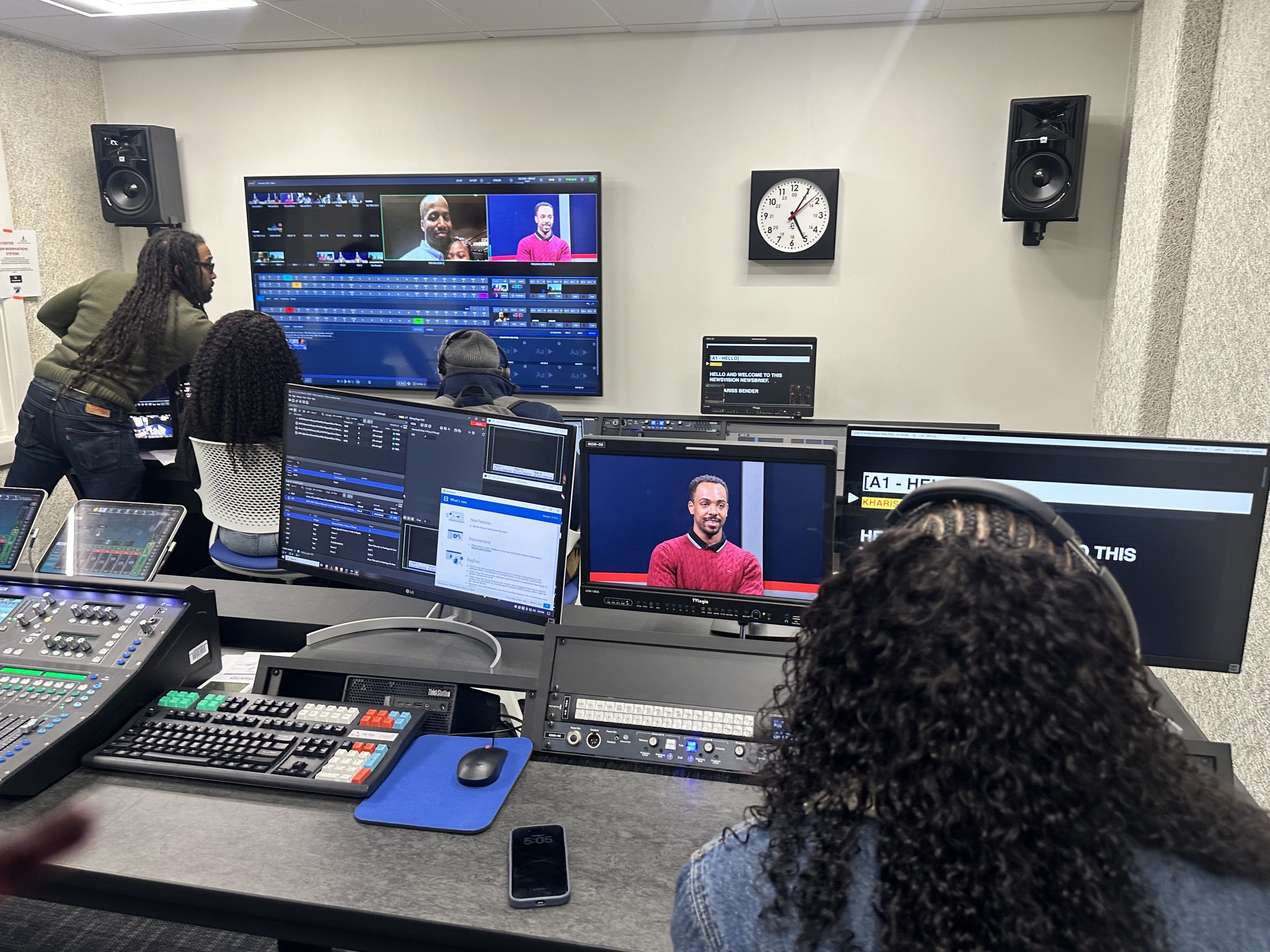
NewsVision is an immersive, hands-on course designed to simulate the full scope of a professional television newsroom. Students engage in the complete production cycle—from editorial development and story pitching to field reporting and live broadcast—while gaining a working understanding of the fast-paced, collaborative environment that defines modern broadcast journalism. Throughout the semester, students develop both the technical and editorial competencies required for careers in television news, including scriptwriting, video production, interviewing, and on-camera performance.
The course emphasizes writing for broadcast, with students learning how to produce anchor scripts, reporter packages, and reader (RDR) scripts, as well as how to craft effective stand-ups in the field. Instruction also includes the application of AP Stylebook standards, the production of lower thirds, and the fundamentals of visual storytelling, such as composition and the rule of thirds. Students gain practical experience conducting interviews—including remote video interviews—while applying real-time editorial judgment and technical skills.
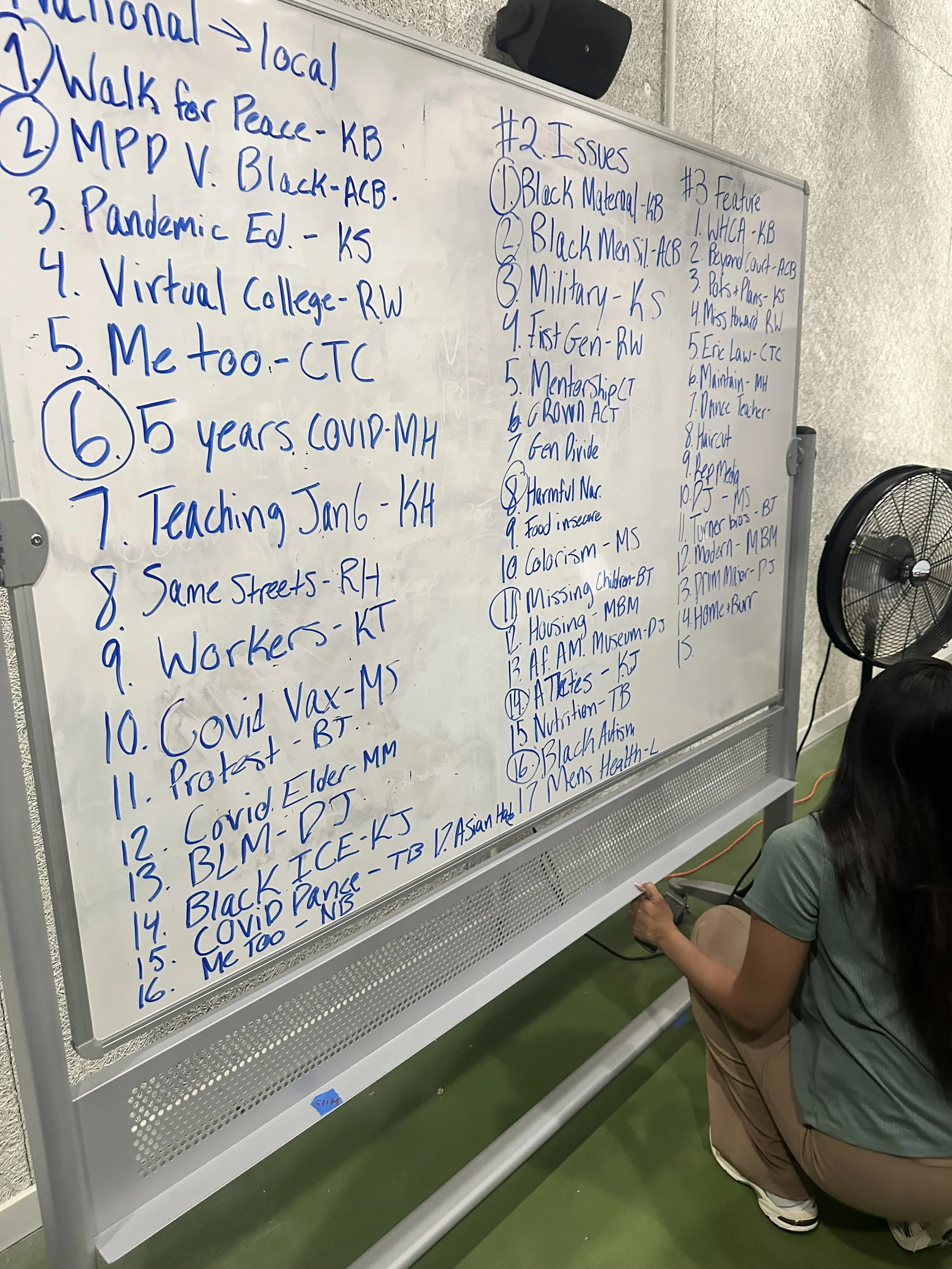
A core component of NewsVision is editorial development. Students are trained to generate clear, compelling, and newsworthy story pitches, with a strong emphasis on sourcing and storytelling depth. This includes securing multiple interview subjects, such as subject-matter experts and individuals directly impacted by the issue, ensuring that reporting is both authoritative and human-centered. The curriculum encourages students to explore stories through both local and national lenses, reinforcing the importance of context and relevance in journalism.
Throughout the semester, students produce original news packages, multimedia content, and written pieces, while also engaging in critical analysis of professional newscasts and discussions of journalistic ethics. The course culminates in a capstone e-portfolio that showcases a range of work, including feature stories, news briefs, blogs, and reflective analysis.