Note to Self
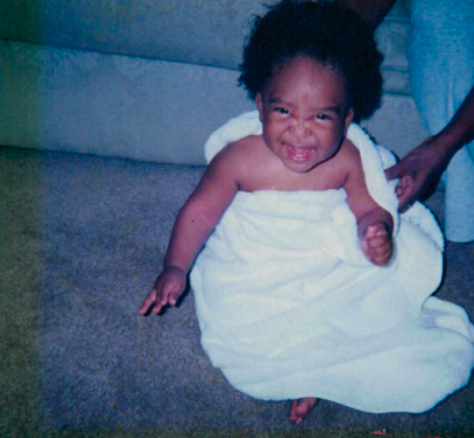
Logan Johns circa 2004. (Photo/ Courtesy Michelle D. Bernard)
By, Logan Johns
April 22, 2026
Dear Logan,
Take a breath.
Before the cap is tossed.
Before the cameras flash.
Before the applause fades and life asks, What’s next?
Pause here.
You are graduating from Howard University.
Say that again, slowly, so your spirit can catch up with what your life has done.
You are graduating from Howard University.
The Mecca.
The Real HU.
There was a time when this was only a dream, a story you carried before it became your own. Howard was never just a school to you. It was a birthright. A promise. A place stitched into your family history long before you ever walked across the Yard. On your mother’s side, everybody came to Howard. Your family bleeds blue. Your grandparents left Jamaica in the 1960s, in the heat of the Civil Rights Movement, and came to this country believing in two things at once: Howard University and America’s promise, no matter how unfinished, of freedom and justice for all. They carried the island with them. They carried Queen Nanny of the Maroons, Paul Bogle, Marcus Garvey, courage, discipline, faith, and a deep belief that education could open doors racism tried to nail shut. And now here you are, part of that same story, another branch on that same tree.
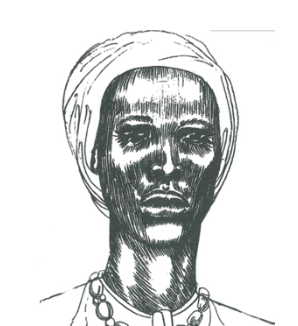
Queen Nanny of the Maroons. (Photo/Courtesy of the Jamaica Information Service)
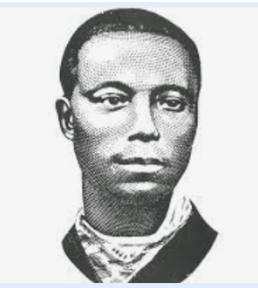
Paul Bogle. (Photo/Courtesy of the Jamaican Information Service)
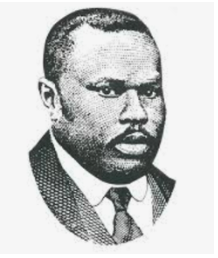
Marcus Garvey. (Photo/Courtesy of The Marcus Garvey and UNIA Papers Project)
The blood of Jamaica runs through your veins. Howard runs through your bones.
And maybe that is why getting here meant so much. As the story has been told at your high school, you were the first student in nearly 50 years to be accepted to Howard University. Maybe that is why being accepted felt like more than an accomplishment. It felt holy. It felt like you had reached the promised land. It felt like a prayer answered.
But let the truth be told: answered prayers do not always come easy.
You arrived at Howard carrying hope, legacy, and your own hard-won understanding of yourself. You came with dyslexia and ADHD, two things the world sometimes treats like flaws, but that you have learned to understand as something else entirely. Not curses. Not defects. Different ways of seeing. Different ways of knowing. Different ways of making meaning. You were raised to believe that what some call weakness is in fact, a superpower. And now you know that is true. Your mind has taught you how to hear beneath the surface, how to notice what others overlook, how to persist, how to make connections, how to imagine. In journalism and life, those are gifts.
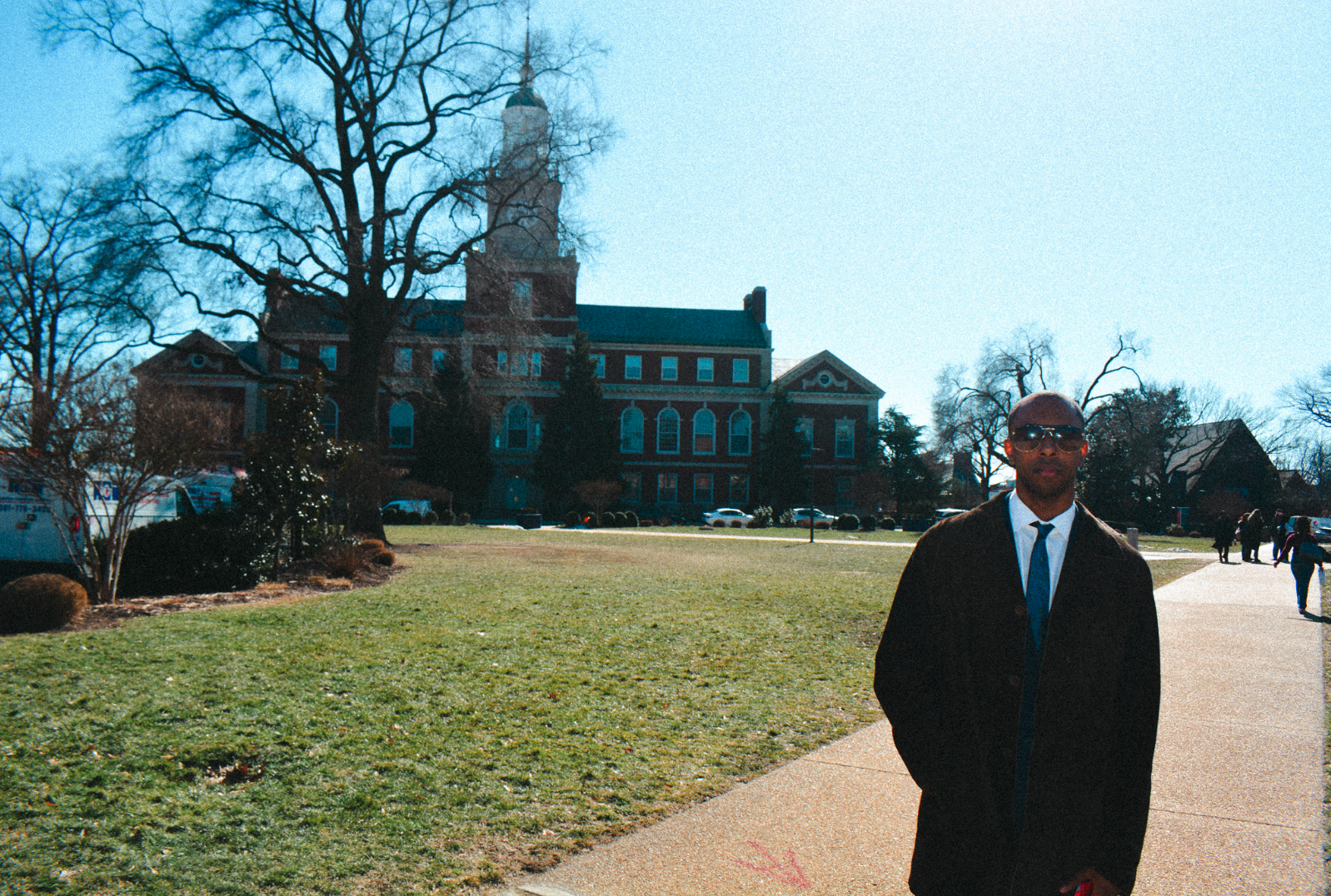
Logan Johns poses for a photo during his junior year on the Yard in front of Founders Library at Howard University. (Photo/Courtesy of Logan Johns)
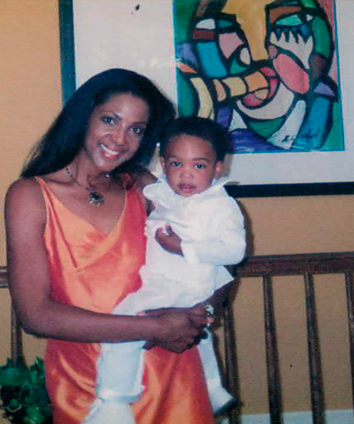
Logan Johns and his mother, Michelle D. Bernard, immediately following his Christening, about 2004. (Photo/ Courtesy Michelle D. Bernard)
And before all of that, before the bylines, before the camera, before Howard, before you ever understood what it meant to tell a story, there was that little boy with chronic ear infections and a major speech delay. Your parents worried whether you would ever talk because those ear infections made language something difficult to reach. The little boy who learned American Sign Language alongside his parents so that all of you could still find your way to one another. Think about that for a moment. Think about the tenderness of that. The patience. The faith. And then think about the journey from that child, communicating first through sign, to a young man who joined his high school debate team, who competed in an Ethics Bowl at American University, and who earned an A in Principles of Speech at Howard University. Think about the distance traveled between those points. Think about what it means that the boy whose voice once had to fight to be heard grew into someone with so much to say that his nickname became “the Mayor.” That is not a small thing. That is grace. That is discipline. That is family love made visible. That is your life reminding you that what begins in uncertainty can still blossom into power.
And still, it has not always been easy.
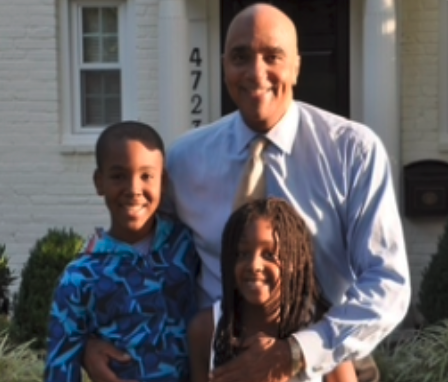
Logan Johns, his father, Joe Johns, and his sister, Avery Bernard-Johns, circa 2011. (Photo/ Courtesy Joe Johns).
There were moments when you had to fight to be seen fully. Moments when asking for what you needed felt less like support and more like proving your right to belong. Moments when the system seemed to question what your life had already taught you to know: that academic accommodations are not advantages, and dignity is not something a student should have to beg for. Those moments hurt. But they also sharpened you. They taught you that surviving a place is one thing. Helping change it for those who come after you is another kind of grace.
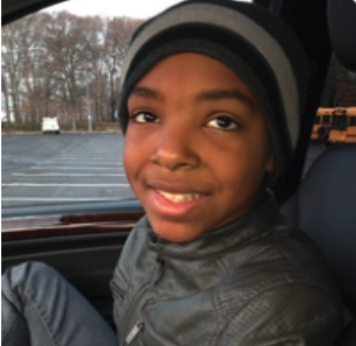
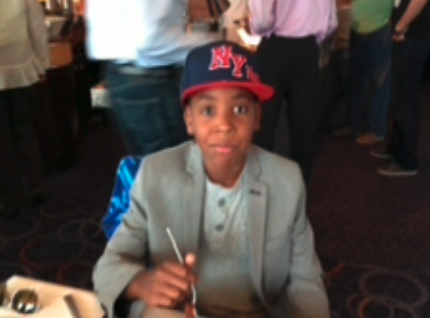
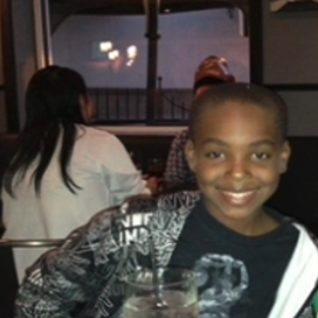
Logan Johns, circa 2011-2013. (Photos/ Courtesy of Michelle D. Bernard)And Howard taught you something else too: that achievement does not always protect you from loneliness.
You wanted so badly to be accepted into Howard’s Annenberg Honors Program. It meant something to you. It represented excellence, belonging, and the kind of intellectual home you hoped to find at Howard. And after earning a 4.0 GPA your freshman year, you were accepted. You had done exactly what was asked of you. You had proved, at least on paper, that you belonged there.
But sometimes being admitted into a room is not the same as being held by it.
Howard was not the kind, loving, and gentle Lab School of Washington.
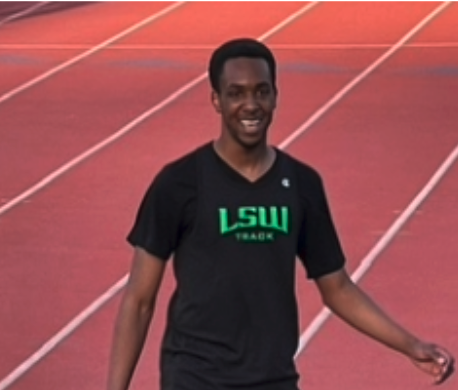
Logan Johns after a track meet where he ran for the Lab School of Washington, circa 2021. (Photo/Courtesy of Michelle D. Bernard)
By your sophomore year, you were struggling to find the support you needed. By your junior year, you left the program feeling isolated, never quite having found your tribe there, never quite feeling fully seen. That hurt too, because sometimes what breaks your heart is not failure, but the hope that something will be home and then realizing it is not.
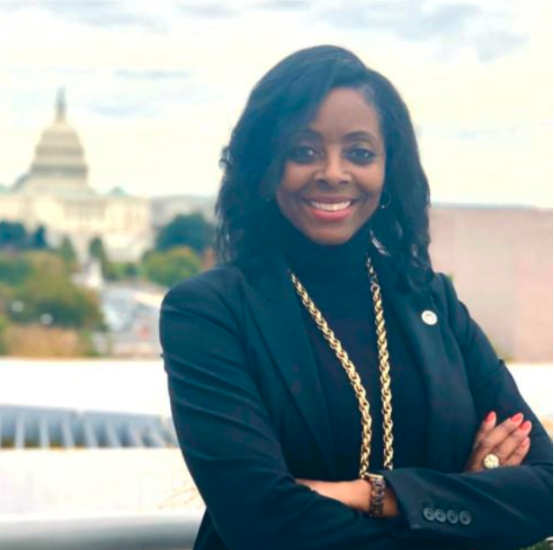
Jennifer C. Thomas, an associate professor at Howard University, poses for a portrait. (Photo/Courtesy of Howard University)
Yet Howard, in its mysterious way, still had another lesson waiting for you. Sometimes it only takes one teacher. One person who truly believes in you. One person who helps you believe in yourself. One person who helps you find the courage to go looking for your tribe instead of waiting for it to appear. For you, there were three blessings: Professor Ericka Blount, Professor Christine McWhorter, and Professor Jennifer Thomas. Their belief in you mattered. Their seeing you mattered. Their encouragement and dedication to excellence helped set you back on the path toward realizing your dreams. And you know this deep down: if Professor Thomas had been leading the Honors Program when you were in it, you would have never left. But look at God. Last fall, Professor Stacey Patton got you to New York to cover CultureCon 2025, welcomed you as part of the Bison One Newsroom, a media partnership between Howard and NewsOne; your first article was published, and then, earlier this week, you were inducted into Lambda Pi Eta, the honor society of the National Communication Association.
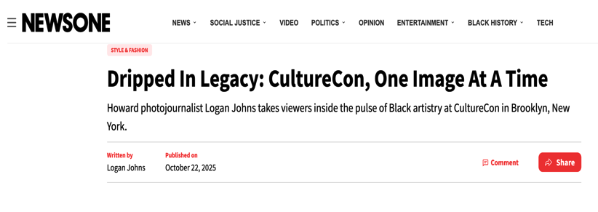
Screenshot of the NewsOne webpage for Logan Johns’ article, “Dripped in Legacy, CultureCon One Image at a Time.” (Image Courtesy of NewsOne via screenshot. (Photo by Logan Johns)
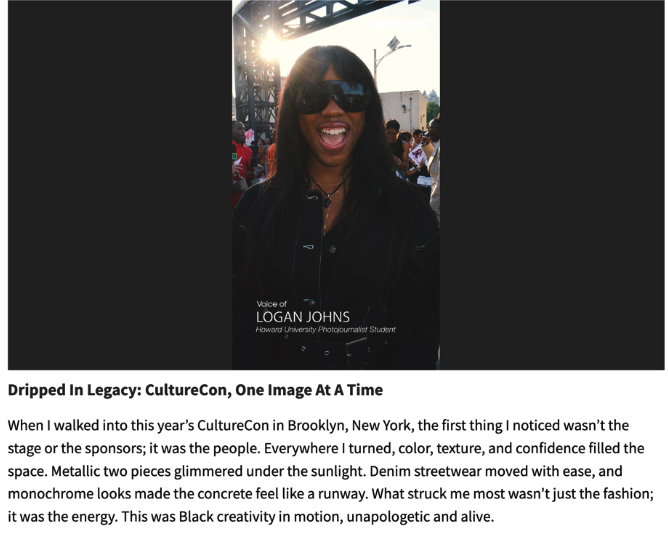
Screenshot of the NewsOne webpage for Logan Johns’ article, “Dripped in Legacy, CultureCon One Image at a Time.” (Image Courtesy of NewsOne via screenshot. Photo by Logan Johns)

Screenshot of the NewsOne webpage for Logan Johns’ article, “Dripped in Legacy, CultureCon One Image at a Time.” (Photo/Courtesy of NewsOne via screenshot).
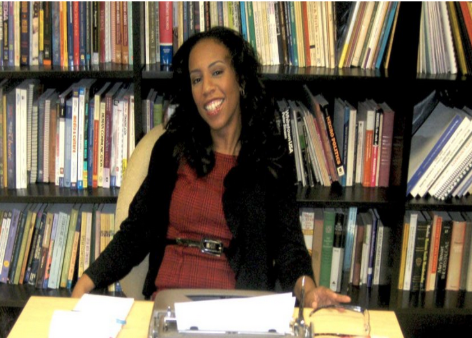
Ericka Blount, a lecturer at Howard University in the Department of Media, Journalism and Film poses for a portrait. (Photo/Courtesy of ErickaBlount.com)
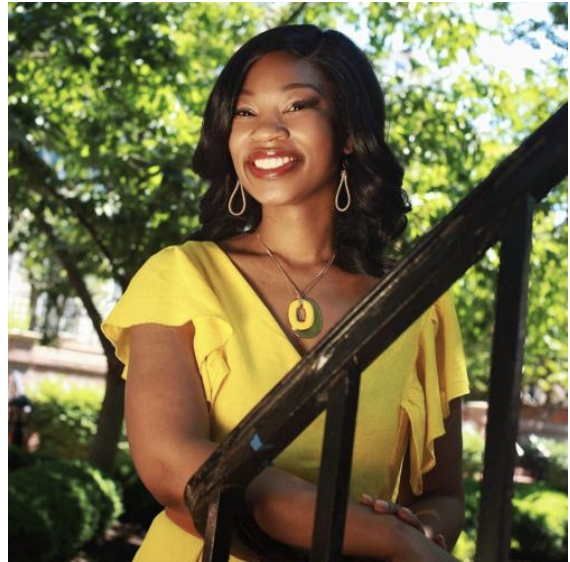
Christine McWhorter, Ph.D., an assistant professor of broadcast journalism at Howard University, poses for a portrait. (Photo/ Courtesy of Howard University)
And then there is this truth too, one that shaped not just the journalist you are becoming, but the young Black man you have had to become in America.
You came of age in the shadow of Trayvon Martin, Breonna Taylor, and George Floyd. You came of age during the rise of the Black Lives Matter movement, in a country where videos of Black death and Black mourning became part of the national bloodstream. You came of age learning, over and over again, that to be Black in America is to carry not only pride and beauty, but also fear of anti-Black police violence, fear that a traffic stop, a misunderstanding, a hoodie, a knock at the wrong door, a breath taken in the wrong place at the wrong time, could become a tragedy. That reality marked your generation.
And yet, alongside that fear came clarity.
You learned that Black life is precious. That Black women matter. That Black men matter. That our humanity is not up for debate, not based upon who believes it, not dependent on whether America is mature enough to honor it. You learned that saying Black Lives Matter is not a slogan. It is a moral insistence. A declaration against erasure. A refusal to let this country look away from its own violence. And because you came of age in that reckoning, you understand that journalism is not an abstract profession. It is one of the ways the truth always fights back.
But Howard taught you something else too: that good journalism requires courage, curiosity, and the willingness to move beyond assumption. In Dr. Patton’s Visual Journalism class, you were given an assignment to go out and speak with three strangers. As someone who had been moved by the audio version of Malcolm Gladwell’s Talking to Strangers: What We Should Know About the People We Don’t Know and by the story of Sandra Bland, that assignment was about more than stepping outside your comfort zone. It became an invitation to test your own assumptions in a world shaped by fear and history.
And so, you chose to talk with three Black DC Metropolitan Police officers at Black Lives Matter Plaza: Sam, Michael, and Linda.
Given everything your generation had witnessed, the names, the marches, the grief, the rage, the fear, it would have been easy to keep your distance. Easy to approach them only as symbols of a profession tied, for so many Black Americans, to trauma and loss. But what made the experience so powerful was that it reminded you that journalism asks more of you than certainty. It asks presence. It asks listening.
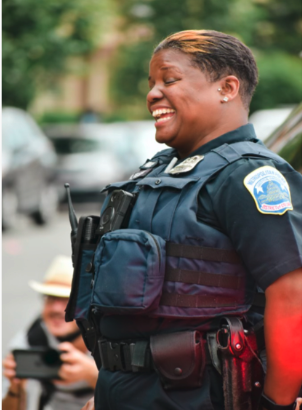
Metropolitan Police Officer Linda James, of College Park, Maryland, stands near Black Lives Matter Plaza in Washington in 2024. (Photo/Logan Johns)
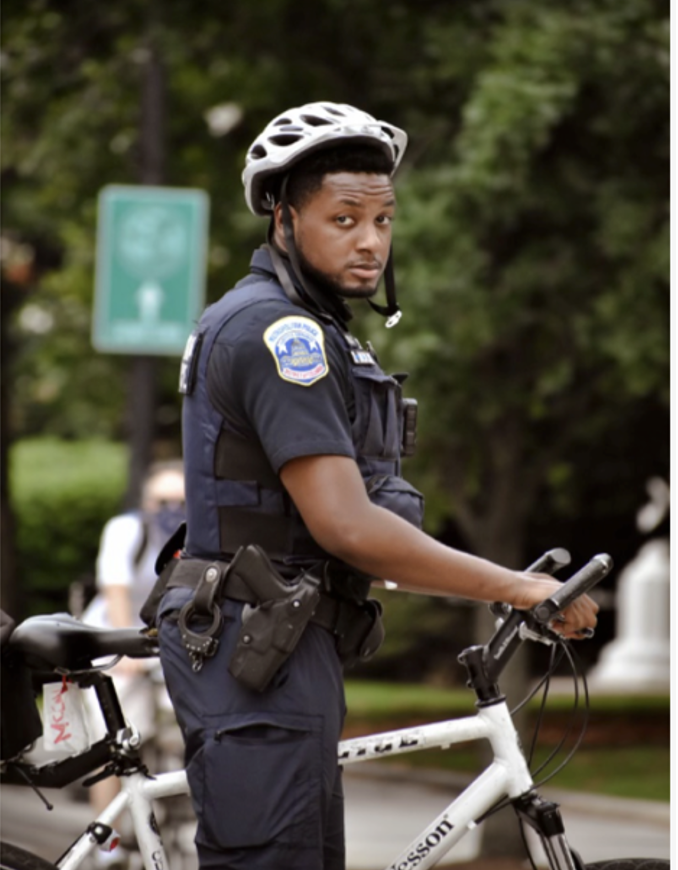
“Michael,” a Metropolitan Police officer from Upper Marlboro, Maryland, stands near Black Lives Matter Plaza in Washington in 2024. (Photo/Logan Johns)
And what a wonderful experience that was.
You found yourself not afraid, but engaged. You listened as Linda shared that she became a police officer after experiencing racial profiling at sixteen and wanting to make sure other Black youths would not endure the same. You learned that for Michael and Sam, policing was a family legacy. You saw not abstractions, but Black men and women carrying their own contradictions, commitments, and sense of duty. You did not walk away naïve about the reality of police violence. But you did walk away with something deeper: the understanding that journalism must make room for complexity, that even in systems marked by injustice, individual lives still deserve to be encountered honestly. In a world that had taught you to fear what a badge could mean for Black life, that assignment taught you that journalism is not the absence of fear, but the courage to keep reaching for truth anyway.
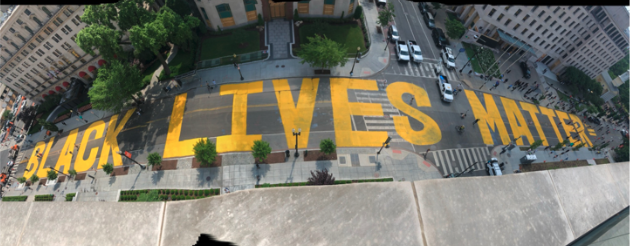
Black Lives Matter Plaza, in the 800 and 900 blocks of 16th Street NW in Washington, is shown before its removal in 2025 under Mayor Muriel Bowser. (Photo/Unknown)
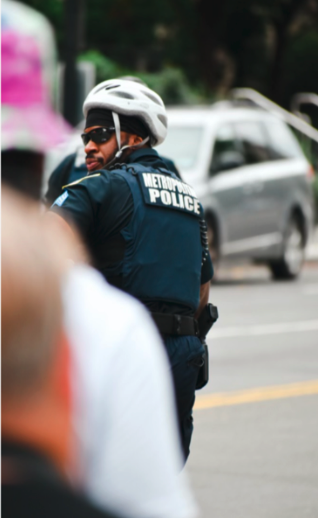
“Sam,” a Metropolitan Police officer from Montgomery County, Maryland, stands near Black Lives Matter Plaza in Washington in 2024. (Photo/Logan Johns)
So now, on the edge of graduation, ask yourself: what have you learned here? What does it mean to be a journalist? What does it mean to be a media professional? What does it mean to be a Black journalist shaped by Howard University?
It means this:
You are called to witness.
Not simply to look, but to see.
Not simply to hear, but to listen.
Not simply to repeat what happened, but to understand what it meant, who it touched, and what truths are hiding underneath it all.
Journalism, you have learned, is not just about headlines or cameras or deadlines. It is about memory. It is about responsibility. It is about telling the truth in a world that is often built to hide it.
Howard taught you that. NewsVision taught you that. Professor Jennifer Thomas taught you that too, not only through what she taught, but through who she was. Through her sheer determination to accept nothing less than excellence, she taught you what excellence actually looks like: discipline, rigor, preparation, care, courage, and the refusal to settle for mediocrity when the truth deserves so much better. She helped you understand the importance of courses like Multimedia Storytelling, Multicultural Media History, Visual Storytelling, and NewsVision as more than boxes to check, but as building blocks in the making of a journalist. And, NewsVision taught you what it means to work like a journalist in real time.
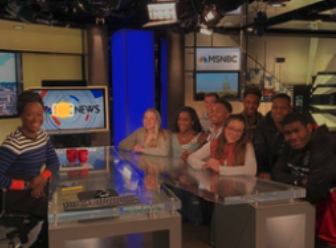
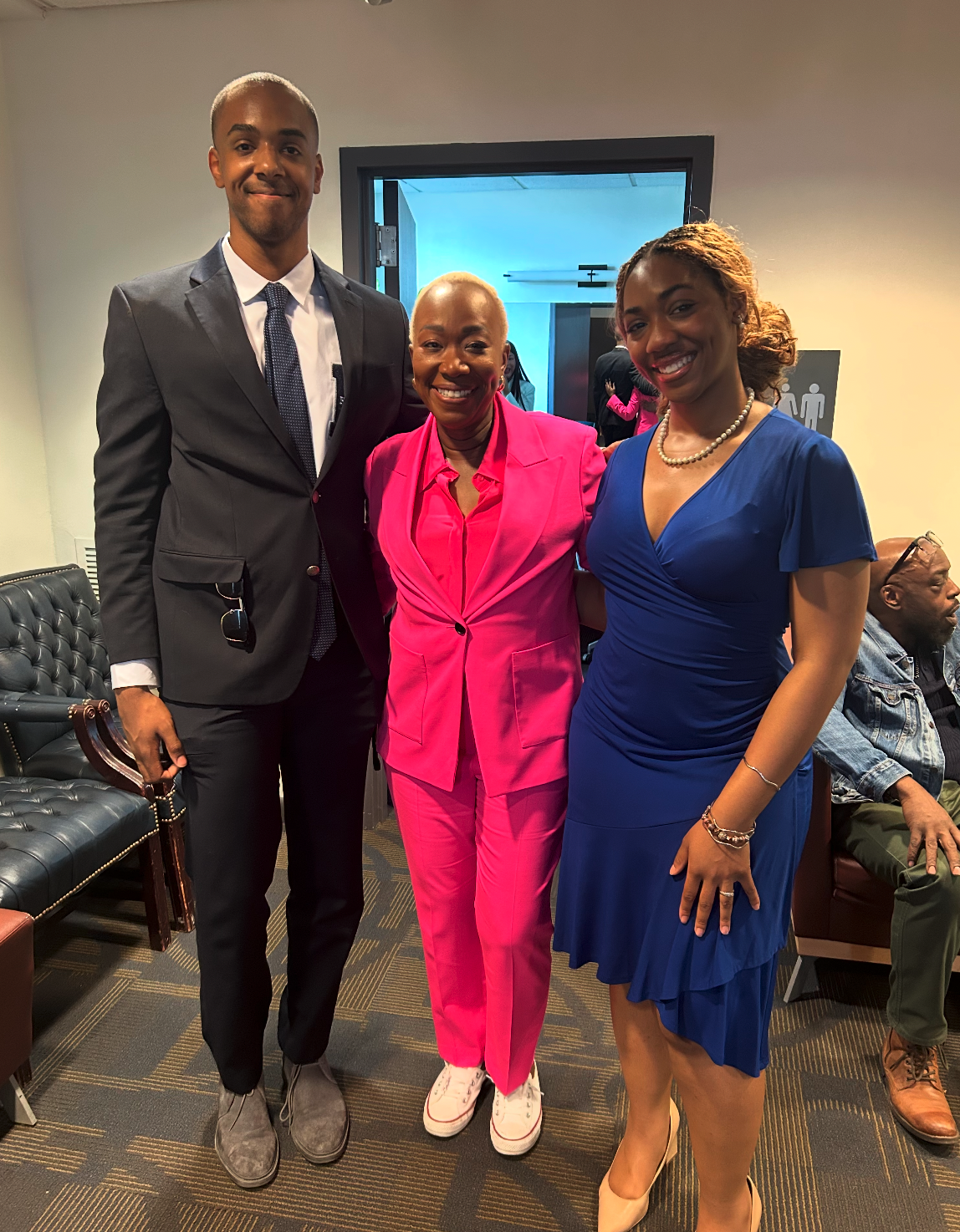
Logan Johns, center, back row, sits on the MSNBC set with then-anchor Joy-Ann Reid and friends in Washington in about 2020 after a Student Diversity Leadership Conference in Denver. Reid also marked Johns’ birthday on air at the end of her show. (Photo/Courtesy of Michelle D. Bernard)
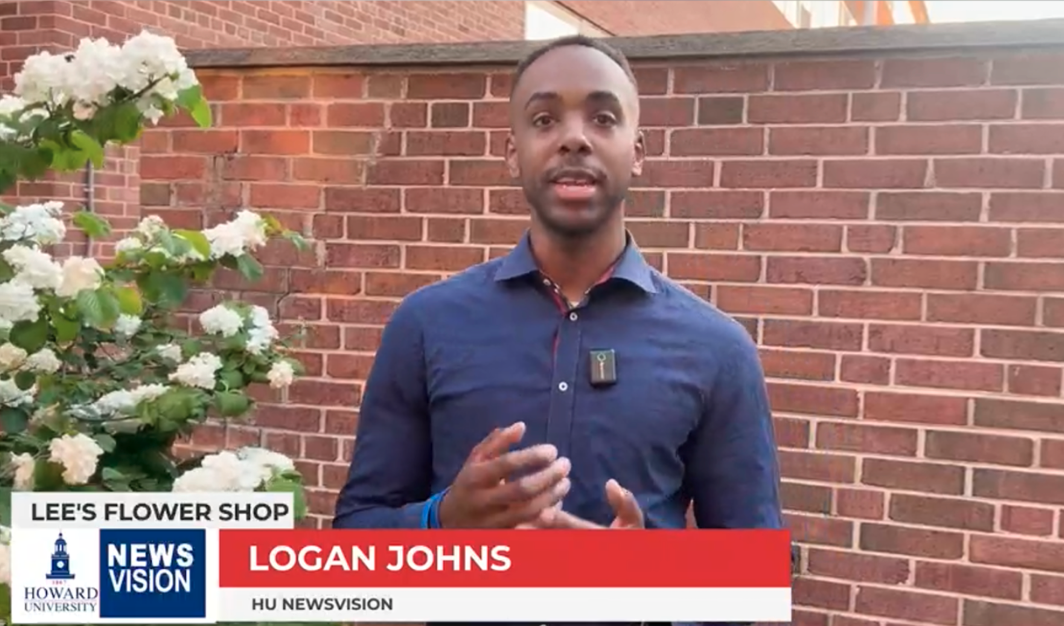
Logan Johns reports on Lee’s Flower Shop in Washington, D.C., in a NewsVision broadcast. (Photo/Courtesy of Logan Johns)
So, what now?
Now you go tell the stories.
You go tell the stories of the African diaspora with beauty, depth, rigor, and care. You go investigate how Black pain is consumed, distorted, marketed, and misunderstood in the media. You go ask whether racism itself should be treated like the public health crisis it is. You go document what others try to erase. You go show Black life in full: not only struggle, but radiance. Not only trauma, but tenderness. Not only resistance, but joy and gratitude.
And here is what else you must remember, Logan:
Do not shrink to fit other people’s imagination of you.
Do not confuse difficulty with incapacity.
Do not let anyone make you feel that the way your mind works is anything less than extraordinary.
Do not forget where you come from.
Do not forget whose shoulders you stand on.
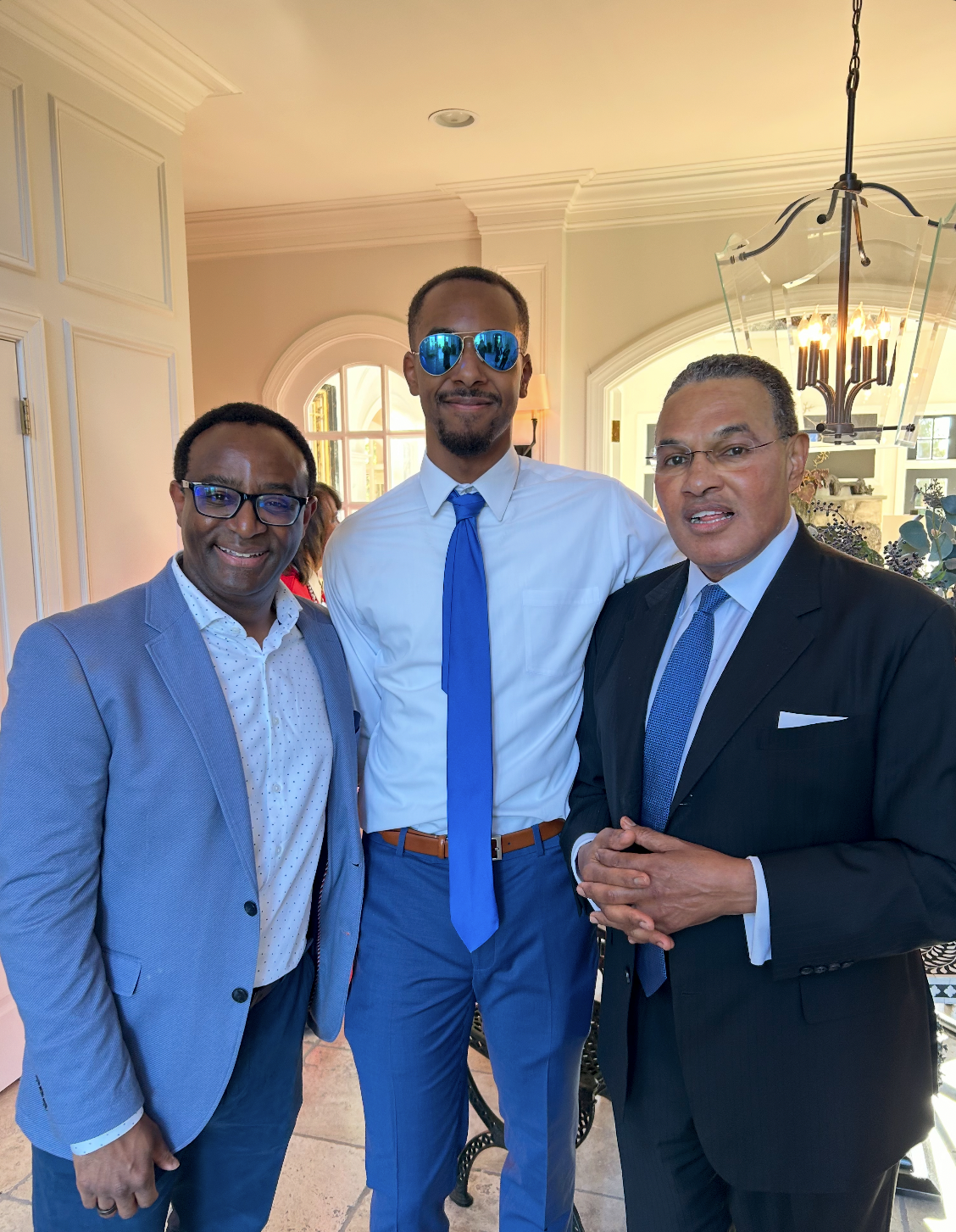
From left, Ben Vinson III, former president of Howard University; Logan Johns; and Freeman A. Hrabowski III, former president of the University of Maryland, Baltimore County, attend a fundraiser and birthday celebration for then-Vice President Kamala Harris in Potomac, Maryland, in 2024. (Photo/Courtesy of Edward Jones)
Do not forget that sometimes all it takes is one, two or three teachers who believe in you enough to help you believe in yourself.
Do not forget that Howard did not just teach you how to report. Howard taught you how to see yourself.
So, when the world asks who you are, answer clearly.
You are a son of Jamaica.
You are a son of Howard.
You are a Black journalist.
You are a witness.
You are a storyteller.
You are becoming exactly who you were called to be.
And the little boy who once spoke with his hands before the world could hear his voice?
The little boy whose parents feared he might never speak?
The little boy who grew into “the Mayor”?
He is so proud of you.
With love and admiration,
Yourself